
The best dog food for allergies can make a dramatic difference for dogs suffering from itchy skin, chronic ear infections, digestive upset, and inflammation caused by food sensitivities. Choosing the best dog food for allergies helps reduce irritation and supports long-term skin and digestive health.
In many cases, the problem isn’t seasonal allergies — it’s what’s in the bowl. This guide is part of our complete Dog Allergies resource center, where we cover causes, symptoms, diet strategies, and long-term management.
Short answer: The best dog food for allergies in 2026 is Hill’s Prescription Diet z/d thanks to its hydrolyzed protein formula designed specifically for dogs with severe food sensitivities and chronic itching.

Switching to an allergy-friendly dog food can significantly improve your dog’s comfort, skin condition, and digestion. If you’re new to this topic, start with our dog allergies guide to better understand symptoms and triggers. Below, we’ve selected the 7 best dog foods for allergies in 2026, focusing on sensitive skin, sensitive stomachs, limited ingredients, and vet-trusted formulas.
Quick Picks: Best Dog Foods for Allergies
- Best Overall: Hill’s Prescription Diet z/d
- Best for Sensitive Stomach: Purina Pro Plan Sensitive Skin & Stomach
- Best Limited Ingredient: Natural Balance L.I.D.
- Best Novel Protein: Blue Buffalo Basics
- Best Grain-Free Option: Wellness Simple
- Best for Skin & Coat: Merrick Limited Ingredient Diet
- Best Budget-Friendly: Canidae Pure
Tip: Dogs with severe allergies often respond best to hydrolyzed or limited-ingredient diets recommended by veterinarians.
Dogs with food allergies often respond best to limited ingredient or hydrolyzed diets.
Check current availability and pricing on Amazon to find the best option for your dog.
The comparison below highlights the best dog food for allergies based on protein type, ingredient simplicity, and suitability for dogs with food sensitivities.
Comparison: Best Dog Foods for Allergies
| Dog Food | Main Protein | Best For |
|---|---|---|
| Hill’s Prescription Diet z/d | Hydrolyzed Protein | Severe food allergies |
| Purina Pro Plan Sensitive Skin & Stomach | Salmon | Sensitive stomach |
| Natural Balance L.I.D. | Single protein | Elimination diets |
| Blue Buffalo Basics | Duck / Turkey | Novel protein diets |
| Wellness Simple | Turkey / Salmon | Grain-free option |
This comparison makes it easier to identify the best dog food for allergies based on protein type, ingredient simplicity, and suitability for dogs with sensitive digestion.
Best Dog Foods for Allergies (Detailed Reviews)
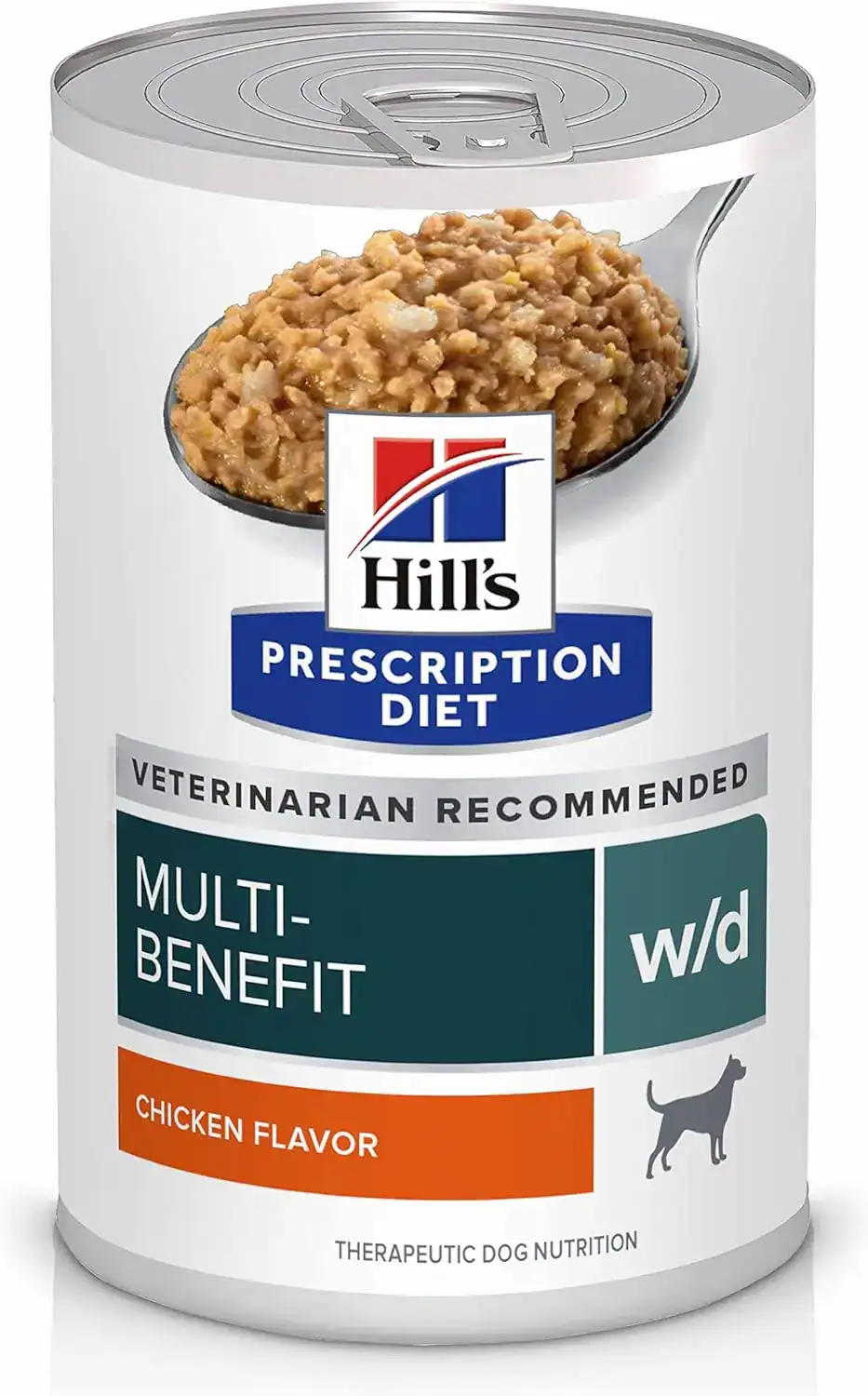
1. Hill’s Prescription Diet z/d — Best Overall
Hill’s z/d is a veterinary-recommended diet using hydrolyzed protein,
meaning the protein is broken down so the immune system doesn’t recognize it as an allergen.
- Hydrolyzed protein formula
- Highly digestible carbohydrates
- Clinically tested by veterinarians
Best for: Dogs with confirmed or severe food allergies.
✔ Vet-recommended formula • ✔ Trusted brand • ✔ Fast Amazon shipping
2. Purina Pro Plan Sensitive Skin & Stomach — Best for Sensitive Stomach
This salmon-based formula supports digestion and skin health while including probiotics
to help maintain a healthy gut.

- Salmon as the main protein
- Added probiotics
- Rich in omega-3 fatty acids
Best for: Dogs with mild to moderate allergies and digestive issues.
✔ Vet-recommended formula • ✔ Trusted brand • ✔ Fast Amazon shipping
3. Natural Balance L.I.D. — Best Limited Ingredient Dog Food
Natural Balance L.I.D. uses a minimal ingredient list with a single animal protein
and a single carbohydrate source.

- Ideal for elimination diets
- Simple, clean formulas
- Multiple protein options
Best for: Dogs starting an elimination diet.
✔ Vet-recommended formula • ✔ Trusted brand • ✔ Fast Amazon shipping
4. Blue Buffalo Basics — Best Novel Protein Option
Blue Buffalo Basics focuses on novel proteins like duck or turkey,
avoiding common allergens such as chicken and beef.

- No corn, wheat, or soy
- Omega fatty acids for skin health
- Gentle on digestion
Best for: Dogs allergic to common protein sources.
✔ Vet-recommended formula • ✔ Trusted brand • ✔ Fast Amazon shipping
5. Wellness Simple — Best Grain-Free Option
Wellness Simple is a grain-free, limited ingredient dog food designed
to support digestion and reduce skin irritation.

- Grain-free formulas
- Short ingredient list
- No artificial additives
Best for: Dogs with grain sensitivities.
✔ Vet-recommended formula • ✔ Trusted brand • ✔ Fast Amazon shipping
6. Merrick Limited Ingredient Diet — Best for Skin & Coat
Merrick L.I.D. formulas include omega-3 and omega-6 fatty acids
to help support the skin barrier and coat health.

- High-quality protein sources
- Supports shiny, healthy coat
- No unnecessary fillers
Best for: Dogs with itchy skin and dull coats.
✔ Vet-recommended formula • ✔ Trusted brand • ✔ Fast Amazon shipping
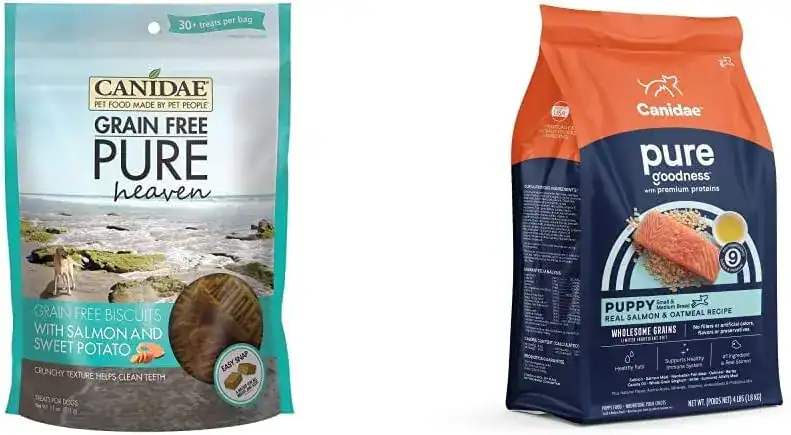
7. Canidae Pure — Best Budget-Friendly Option
Canidae Pure uses 8–10 simple ingredients and offers a more affordable
limited ingredient option for dogs with mild allergies.
- Simple formulas
- Includes probiotics
- Good value for money
Best for: Mild allergies and budget-conscious owners.
✔ Vet-recommended formula • ✔ Trusted brand • ✔ Fast Amazon shipping
Some dogs may also benefit from targeted nutritional support. Explore our complete guide to Best Supplements for Dogs with Allergies for additional immune and skin support strategies.
How to Choose the Best Dog Food for Allergies
When selecting the best dog food for allergies, ingredient quality and protein selection are critical. The right formula can help reduce inflammation, improve digestion, and prevent recurring allergy symptoms.
Selecting the right protein source is one of the most important decisions when managing food-related reactions. Learn more in our guide to What Protein Is Best for Dogs With Food Allergies.
Key factors to consider include:
• Novel Protein Sources – Proteins such as duck, venison, salmon, or rabbit may reduce immune reactions in dogs sensitive to common proteins like chicken or beef.
• Limited Ingredient Diets (LID) – Fewer ingredients reduce the likelihood of hidden allergens and simplify elimination trials.
• Hydrolyzed Proteins – These formulas break proteins into smaller components that are less likely to trigger immune responses.
• Clearly Labeled Ingredients – Avoid vague terms such as “animal by-products.” Transparent labeling improves trust and predictability.
• Balanced Omega-3 Content – EPA and DHA support skin barrier health and reduce inflammation associated with allergic reactions.
Choosing the right formula requires patience and consistency. Sudden switching between brands can worsen symptoms. If you’re unsure whether symptoms are food-related, review the early signs of food allergies in dogs before starting an elimination diet.
Want to know the perfect serving size for your active dog? Calculate their daily energy requirements in seconds using our Dog Food Calculator.
Common Food Allergens in Dogs
Although every dog is different, certain ingredients are more frequently associated with food allergies.
Common triggers include:
• Chicken
• Beef
• Dairy
• Wheat
• Soy
• Eggs
Understanding common triggers can help pet owners choose the best dog food for allergies and avoid ingredients that cause repeated allergic reactions.
Chicken and beef are among the most frequently reported triggers. If your dog reacts to poultry, read our detailed guide on Chicken Allergy in Dogs.
It is important to understand that allergies are usually related to proteins rather than grains alone. In many cases, the immune system reacts to specific protein structures that it has been exposed to repeatedly over time.
Proper elimination trials remain the most reliable method for identifying food-related triggers. Identifying triggers early makes it easier to select the best dog food for allergies and avoid repeated inflammatory flare-ups. For additional clinical guidance on elimination diets and food allergy diagnosis, refer to the American Veterinary Medical Association (AVMA).
How Long Does Dog Food for Allergies Take to Work?
Switching to the best dog food for allergies does not produce instant results. Most elimination diet trials require 6–8 weeks of strict consistency.
During this period:
• Avoid treats and flavored medications
• Monitor stool quality
• Track itching intensity
• Watch for ear inflammation
• Observe coat improvement
Improvement may begin within 3–4 weeks, but full skin recovery can take longer. Patience is essential for accurate evaluation.
Related Guides for Managing Dog Allergies
For a complete allergy management strategy, explore:
- Best Supplements for Dogs with Allergies
- Dog Allergies: Causes, Symptoms & Treatment
- Dog Gut Health and Immune Support
Diet alone may not fully resolve chronic inflammation. Combining nutrition with gut support and targeted supplementation often produces the most stable long-term results.
Explore More About Dog Allergies
Understanding dog allergies often requires looking at symptoms, triggers, and diet strategies. These related guides explain how to identify allergies and manage them effectively.
- Signs of Food Allergies in Dogs
- Environmental Allergies in Dogs
- Elimination Diet for Dogs
- Best Supplements for Dogs with Allergies
For a complete overview of symptoms, causes, and treatment options, visit our Dog Allergies guide
Frequently Asked Questions
How long does it take to see results?
Most dogs show improvement within 4–6 weeks.
Is grain-free better for dogs with allergies?
Only if your dog has a confirmed grain sensitivity.
Can puppies eat hypoallergenic dog food?
Yes, as long as the formula is appropriate for their age.
Choosing the best dog food for allergies is one of the most effective ways to reduce itching, digestive issues, and chronic inflammation in dogs with food sensitivities.
Long-term inflammatory control — not marketing claims — should guide your decision. By focusing on limited ingredient formulas, novel or hydrolyzed proteins, and high-quality nutrients, you can significantly improve your dog’s comfort and overall health. Every dog reacts differently, so monitor symptoms closely and don’t hesitate to adjust the diet based on your dog’s individual needs and veterinarian recommendations.
Still struggling with dog allergies?
Choosing the right food is often the first step.
For a complete breakdown of symptoms, triggers, and treatment options,
visit our Dog Allergies hub
and make a more informed decision for your dog’s health.