
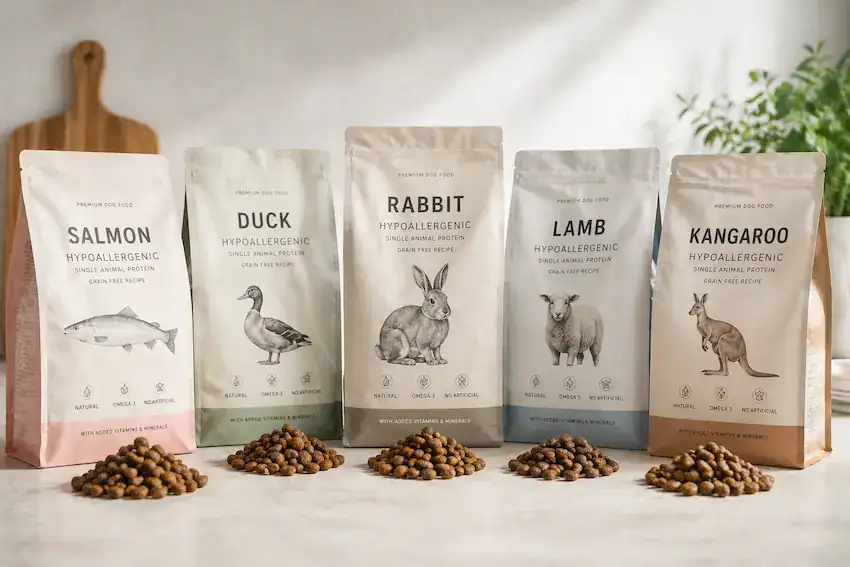
Best Hypoallergenic Dog Food for Dogs With Allergies
Choosing the best hypoallergenic dog food is one of the most effective ways to reduce itching and food-related allergies in dogs. If your dog is constantly scratching, licking their paws, or dealing with recurring ear infections, food allergies may be the root cause. The right diet can dramatically improve your dog’s comfort, skin health, and overall quality of life.
If your dog is constantly scratching, licking their paws, or dealing with recurring ear infections, food allergies may be the root cause. Choosing the best hypoallergenic dog food can dramatically improve your dog’s comfort, skin health, and overall quality of life.
What Is Hypoallergenic Dog Food?
Hypoallergenic dog food is designed to reduce allergic reactions using limited ingredients, novel proteins, or hydrolyzed proteins.
Signs Your Dog May Need Hypoallergenic Food
If your dog seems constantly uncomfortable, the problem may not be seasonal allergies—it could be their food. Many symptoms build up over time and are easy to overlook until they become persistent.
- Constant itching, scratching, or biting at the skin
- Recurring ear infections or head shaking
- Excessive paw licking or chewing
- Red, irritated skin or hot spots
- Digestive issues like diarrhea, gas, or vomiting
In many cases, these reactions are triggered by common proteins like beef or chicken. Identifying and removing the trigger is the first step toward long-term relief.
According to the American Veterinary Medical Association (AVMA), food allergies in dogs are most commonly linked to specific proteins and often require a structured elimination diet to accurately identify the trigger.
Best Hypoallergenic Dog Foods (Comparison)
| Brand | Protein | Type | Best For |
|---|---|---|---|
| Hill’s z/d | Hydrolyzed | Vet Diet | Severe allergies |
| Royal Canin Hydrolyzed | Hydrolyzed | Vet Diet | Chronic issues |
| Blue Buffalo Basics | Turkey | LID | Mild allergies |
| Natural Balance LID | Salmon | LID | Skin issues |
Types of Hypoallergenic Dog Food
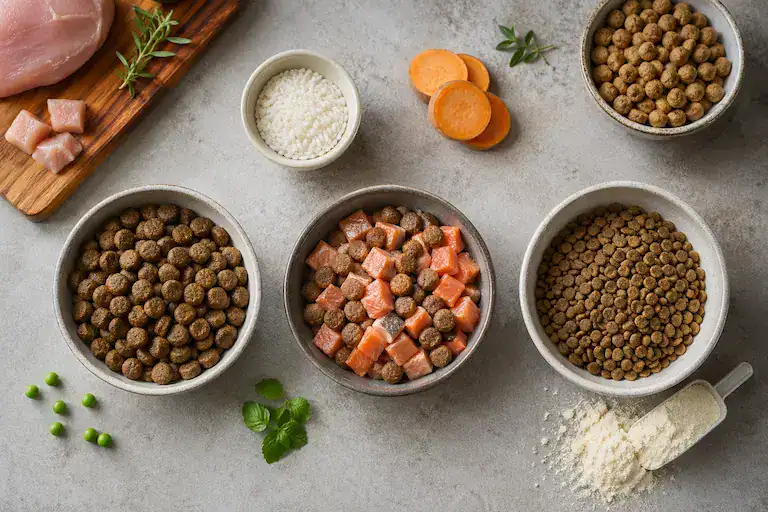
Not all hypoallergenic dog foods are the same. Understanding the different types can help you choose the right option for your dog’s condition.
To find the best hypoallergenic dog food, it’s important to understand the different types available and how they affect allergic dogs.
1. Limited Ingredient Diets (LID)
These formulas use fewer ingredients to reduce the chance of triggering an allergic reaction. They typically contain one protein source and one carbohydrate source.
2. Novel Protein Diets
Novel proteins like duck, venison, or salmon are used because your dog is less likely to have been exposed to them before, reducing the risk of immune response.
3. Hydrolyzed Protein Diets
Hydrolyzed diets break proteins down into smaller components so the immune system does not recognize them as allergens. These are often recommended by veterinarians for severe cases.
How to Choose the Best Hypoallergenic Dog Food
Choosing the best hypoallergenic dog food isn’t about picking the most expensive brand—it’s about identifying what’s actually causing your dog’s reaction and choosing a diet that removes those triggers effectively
- Identify the trigger: Start by looking at common allergens like beef, chicken, dairy, or wheat. If your dog has ongoing symptoms, an elimination diet is often the most reliable way to pinpoint the problem.
- Switch to a safer protein: Many dogs do better on novel proteins such as salmon, duck, or lamb—ingredients they haven’t been exposed to regularly.
- Choose limited ingredient formulas: Fewer ingredients mean fewer chances to trigger a reaction. Look for simple recipes with one protein source and minimal additives.
Consistency is key. Once you switch foods, stick with it long enough to see real results before making additional changes.
- Identify the trigger: Start by looking at common allergens like beef, chicken, dairy, or wheat. If your dog has ongoing symptoms, an elimination diet is often the most reliable way to pinpoint the problem.
- Switch to a safer protein: Many dogs do better on novel proteins such as salmon, duck, or lamb—ingredients they haven’t been exposed to regularly.
- Choose limited ingredient formulas: Fewer ingredients mean fewer chances to trigger a reaction. Look for simple recipes with one protein source and minimal additives.
Consistency is key. Once you switch foods, stick with it long enough to see real results before making additional changes.
How to Transition to a Hypoallergenic Diet
Switching your dog’s food too quickly can cause digestive upset. Follow a gradual transition over 7–10 days:
- Day 1–3: 25% new food, 75% old food
- Day 4–6: 50% new food, 50% old food
- Day 7–10: 75% new food, 25% old food
- After day 10: 100% new food
Consistency is critical. Avoid treats or table scraps during this period, as they can interfere with results.
Frequently Asked Questions About Hypoallergenic Dog Food
What is the best protein for dogs with allergies?
Salmon, duck, and lamb are commonly recommended because they are less likely to trigger allergic reactions compared to beef or chicken.
How long does it take to see results after switching to hypoallergenic dog food?
Most dogs show improvement within 4–8 weeks, but strict consistency is required during this period.
Can dogs be allergic to chicken or beef?
Yes, chicken and beef are among the most common food allergens in dogs and can cause itching, ear infections, and digestive issues.
Is grain-free dog food better for allergies?
Not always. Most food allergies are caused by proteins, not grains. Grain-free diets may help some dogs but are not a universal solution.
Should I switch my dog’s food immediately or gradually?
It’s best to transition gradually over 7–10 days to avoid digestive upset unless your veterinarian advises otherwise.
Common Mistakes Dog Owners Make
- Switching foods too frequently
- Ignoring ingredient labels
- Feeding multiple protein sources
- Expecting instant results
Managing food allergies takes time and consistency. The right hypoallergenic diet, combined with careful observation, can significantly improve your dog’s quality of life.
Need Help With Portions?
Choosing the right hypoallergenic dog food is only half the solution—feeding the correct amount matters just as much. Overfeeding can still lead to weight gain and digestive stress, even with high-quality food.
Use our Dog Food Calculator to find the exact daily portion based on your dog’s weight, age, and activity level. It only takes a minute and helps you avoid common feeding mistakes.
Final Thoughts
The best hypoallergenic dog food is the one that matches your dog’s specific needs. With the right approach, most allergy symptoms can be reduced or completely eliminated.