
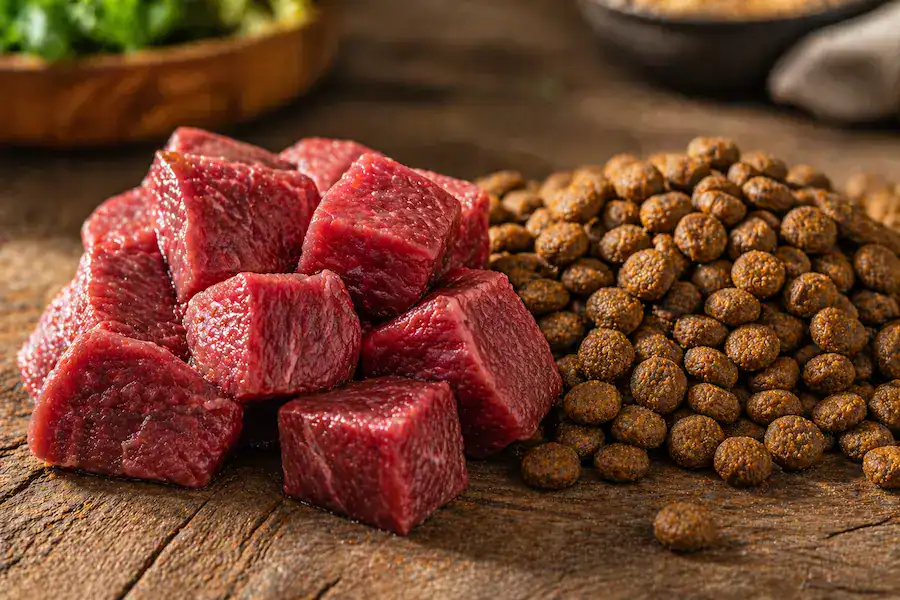
Is Beef the Right Protein for Your Dog?
Is beef in dog food good or bad for dogs with allergies? The answer often depends on quality, processing, and your dog’s specific sensitivity. Many pet owners ask, “can dogs be allergic to beef?” only after they’ve exhausted all other options and seen their pet struggle. If your dog is dealing with chronic inflammation, understanding whether beef in dog food is the root cause of their discomfort or a healthy, nutrient-dense protein source is the first step to reclaiming their health.
Ingredient Snapshot
- Allergen Risk: High (Commonly linked to dietary sensitivities)
- Safety Verdict: High (If no allergy is present)
- Key Nutrients: Iron, Zinc, B12, Amino Acids
- Best For: Muscle maintenance in active dogs
The Nutritional Value of Beef
Beef is a complete protein, meaning it provides all the essential amino acids required for a dog’s bodily functions. Because it is highly bioavailable, dogs can absorb these nutrients efficiently. As noted by the American Kennel Club, high-quality animal proteins are vital in a canine diet to support healthy muscle development and immune function. When you select high-quality beef in dog food, you are essentially providing the building blocks for tissue repair, enzyme production, and overall metabolic health.
Sourcing and Manufacturing Quality
Not all protein sources are created equal. When analyzing beef in dog food, the distinction between “Whole Beef” and “Meat Meal” is crucial. Manufacturers that specify the source—using labels like “Deboned Beef” or “Beef Meal”—demonstrate a higher level of transparency. Lower-quality kibbles often rely on generic “Meat By-products,” which can include a mix of tissues, organs, and bones of varying quality. For long-term health, opting for premium beef-based dog food brands that clearly define their ingredients helps ensure your pet is receiving consistent, high-grade protein rather than unpredictable fillers.
Is Beef the Cause of Your Dog’s Skin Issues?
Watching your dog suffer is stressful, and it’s a massive drain on your wallet when you’re constantly paying for vet visits. If your dog is struggling with frantic paw-licking, recurrent ear infections, or those painful, crusty hot spots, you are right to be suspicious of their diet. While beef is nutritionally dense, for dogs with specific protein intolerances, it is often a major trigger.
If you see these symptoms, it doesn’t mean “meat” is bad—it means your dog might be reacting to the specific bovine proteins. To get a definitive answer, veterinarians usually recommend a strict veterinary elimination diet to clear the system of common allergens and identify the culprit.
What to do if you suspect a beef allergy:
- Switch to a limited ingredient diet to eliminate hidden triggers.
- Try a novel protein (like salmon, duck, or rabbit) that your dog has never eaten before.
- Use a veterinary elimination diet to pinpoint the exact culprit.
- Explore safe options: Check our guide: Best Beef-Free Dog Foods for Allergies
Beef Meal vs. Fresh Beef: What’s on the Label?
When you scan labels, you might wonder: is beef meal healthy for dogs? Unlike fresh beef, which is moisture-heavy, beef meal is a concentrated protein source. When comparing beef vs. chicken dog food allergy symptoms, some dogs tolerate one but not the other.
| Type | Protein Density | Allergy Risk | Best For |
|---|---|---|---|
| Fresh Beef | Medium | High | Taste |
| Beef Meal | High | High | Nutrition |
Frequently Asked Questions
Q: Can dogs be allergic to beef?
A: Yes, beef is one of the most common food allergens for dogs. Symptoms usually manifest as skin irritation, ear infections, or digestive upset.
Q: Is beef in dog food good for dogs with allergies?
A: Generally, no. If your dog has a confirmed beef allergy, beef-based foods will perpetuate the inflammatory cycle. An elimination diet is the only way to know for sure.
Q: Is beef meal better than fresh beef?
A: Neither is “better,” but they serve different purposes. Beef meal provides a higher protein-to-volume ratio, which is ideal for performance and growth, while fresh beef improves palatability.
Q: What is the best beef-free protein for itchy dogs?
A: For dogs allergic to beef, novel proteins like salmon, duck, or kangaroo are often recommended by vets to stop the itching cycle.
Conclusion: Is Beef Right for Your Dog?
Choosing the right beef in dog food is a balance between understanding your dog’s specific protein needs and monitoring for potential reactions. While many dogs thrive on beef-based diets, your dog’s individual health history—specifically regarding skin and digestive sensitivities—should be the guiding factor. By paying close attention to labels and observing your pet’s reactions, you can confidently navigate the world of canine nutrition.
Need to Check Your Dog’s Protein Intake?
Once you’ve found the right protein source, the next step is portion control. Overfeeding high-protein diets can also stress a dog’s digestive system. Use our Dog Food Calculator to determine the exact calorie needs for your dog’s age, weight, and activity level.
Back to our full guide: Dog Food Ingredient Dictionary