
Best Dog Training Treats in 2025: Healthy, Low‑Calorie Rewards That Really Work
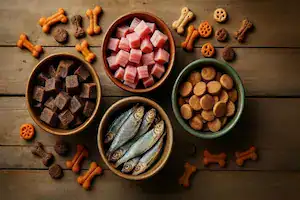
Looking for the best dog training treats in 2025 to keep your dog focused and excited to learn? The right reward can turn difficult training into a fun game for both of you.
This guide covers what makes a great training treat, how to choose healthy options, and which products stand out as the best dog training treats in 2025 for puppies, adult dogs and seniors.
Why Dog Training Treats Matter
Training treats are more than just snacks. They are powerful tools that help you quickly mark and reward the exact behavior you want to see again.
- Grab your dog’s attention in distracting environments.
- Motivate your dog to repeat good behavior and commands.
- Speed up learning by creating a clear “action → reward” pattern.
- Strengthen the bond between you and your dog during daily sessions.
The best dog training treats are small, tasty and healthy enough to use many times per day without overfeeding.
Key Features of the Best Dog Training Treats in 2025
Before looking at specific products, it helps to know what to look for on the label. These features will help you choose truly effective and safe rewards.
1. Size and shape
- Small and bite‑sized – your dog should be able to eat a treat in one quick bite.
- Easy to break into even smaller pieces for long training sessions.
- Shapes that do not crumble into dust in your pocket or treat pouch.
2. Ingredients and nutrition
- Short ingredient list, with real meat or fish as the first ingredient where possible.
- No unnecessary fillers, artificial colors or harsh preservatives.
- Grain‑free or limited‑ingredient options for sensitive dogs.
3. Calories per treat
When you train often, treats can quickly add up. As a rule of thumb:
- 1–5 kcal per treat for small and medium dogs.
- Slightly higher for large dogs, but still in the low‑calorie range.
4. Texture and smell
- Soft and chewy textures are easier to swallow and don’t interrupt the training flow.
- Stronger smell usually means higher value for dogs, especially in distracting places.
When all these elements come together, you get the best dog training treats in 2025: small, tasty, low‑calorie and easy to handle.
Top 5 Best Dog Training Treats in 2025
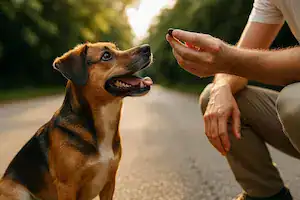
The table below summarizes five popular options that fit the criteria for effective dog training treats.
| Product | Main features | Pros | Cons | Buy |
|---|---|---|---|---|
| Zuke’s Mini Naturals | Soft, bite‑sized treats with around 3 kcal per piece and multiple flavors. | Great for frequent rewards; easy to chew even for small dogs. | May dry out if the bag is left open. | Check on Amazon |
| Wellness Soft Puppy Bites | Grain‑free treats with lamb & salmon designed specifically for puppies. | Soft texture for tiny teeth; useful for early training sessions. | Can feel slightly sticky in the hand or treat pouch. | Check on Amazon |
| Fruitables Skinny Minis | Low‑calorie, gluten‑free treats with fruit and veggie flavors. | Good choice for weight management; interesting non‑meat flavors. | Some dogs prefer meaty smells and may need mixing with meat‑based treats. | Check on Amazon |
| Soft Salmon Training Treats | Soft, high‑value salmon‑based bites with no artificial colors. | Strong smell keeps focus; great as a “jackpot” reward. | Fishy odor may bother some owners; store in a sealed container. | Check on Amazon |
| Rocco & Roxie Jerky Treats | Slow‑smoked meat strips made with real beef, chicken or turkey. | Very high value for most dogs; can be torn into small pieces. | Higher in calories, so best used sparingly for special rewards. | Check on Amazon |
You can mix several of these best dog training treats in one pouch and use different options depending on how difficult the exercise is.
How to Use the Best Dog Training Treats Effectively
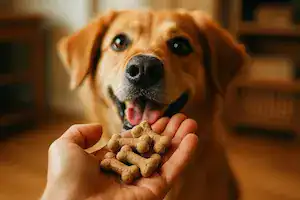
Even the best dog training treats in 2025 will not work if they are used at the wrong time or in the wrong way. Follow these simple rules to get the most out of each reward.
Reward timing
- Give the treat immediately after the desired behavior, within 1–2 seconds.
- Use a marker word (like “Yes!”) or a clicker just before delivering the treat to make the connection clear.
Session length and variety
- Keep training sessions short and fun – about 5–10 minutes at a time.
- Use higher‑value treats for difficult exercises or very distracting environments.
- Rotate flavors so your dog does not get bored.
Managing calories
Treats should usually stay under about 10% of your dog’s daily calories. On days with long training sessions, slightly reduce their regular meal portions to balance things out.
For more detailed guidance on daily food portions, check your dog’s main diet and see our guides on best dry dog food for small breeds
and the best wet and dry dog food in 2025.
Healthy Teeth and Overall Health During Training
Frequent use of dog training treats means more food particles on your dog’s teeth. To keep your dog healthy, combine training with good dental and hydration habits.
- Use dental chews for dogs a few times per week to help reduce plaque between brushings.
- Make sure your dog has constant access to fresh water. If your dog does not like still water, consider a pet water fountain to encourage more drinking.
- Keep an eye on body condition, especially if you use high‑value, high‑calorie treats.
Good treats, good food and good dental care work together. You can read more about long‑term diets in our articles on dry food for small breeds
and dog grooming tools, which also help keep your dog’s mouth, coat and skin in top shape.
Indestructible Toys and Training Games

Dog training treats are even more powerful when combined with games and toys. Some dogs are highly motivated by play as well as food.
- Use treats inside puzzle toys or stuffable toys for mental enrichment.
- Reward your dog with a short game of tug or fetch plus a treat for extra motivation.
- For strong chewers, pair food rewards with toys from our guide to
indestructible dog toys in 2025.
When food, toys and attention are used together, training becomes more engaging and less repetitive.
Frequently Asked Questions About Dog Training Treats
How many dog training treats can I give per day?
It depends on your dog’s size, age and main diet. As a general rule, training treats should make up no more than about 10% of daily calories. For very small dogs, use tiny pieces or low‑calorie options.
Can I use human food as training treats?
Yes, in moderation. Safe options include plain cooked chicken, small pieces of cheese, or vegetables like carrot rounds. Always avoid toxic foods such as chocolate, onions, grapes and anything heavily seasoned.
Should I always use the same dog training treats?
Rotating treats helps keep your dog interested. Use everyday treats for easy cues and save extra‑tasty options as a “jackpot” for difficult behaviors or distractions.
Are store‑bought treats better than homemade?
Store‑bought treats are convenient and usually portion‑controlled, which is helpful for regular training. Homemade treats give you full control over ingredients but require time and careful storage.
Can puppies use the same training treats as adult dogs?
Puppies can eat most soft training treats as long as they are small, easy to chew and appropriate for their age and digestion. Puppy‑specific treats or breaking adult treats into tiny pieces often works best.
Putting It All Together
The best dog training treats in 2025 are small, soft, low‑calorie and incredibly tasty for your dog. When you pair the right treats with clear timing, short sessions and a balanced diet, training becomes faster, kinder and more enjoyable.
Once you have your favorite dog training treats picked out, explore more of our guides to build a complete happy‑pet setup, from comfortable dog beds
to grooming tools and best dog food options.