
The best supplements for dogs with allergies can play a critical role in reducing itching, inflammation, and recurring skin or digestive problems. If your dog shows persistent itching or digestive upset, understanding the signs of food allergies in dogs can help determine whether supplements or diet changes are needed.

This guide is part of our complete Dog Allergies resource center, where we cover causes, symptoms, diet strategies, and long-term management options. While switching to hypoallergenic dog food is often the first step, many dogs need additional nutritional support to calm immune reactions and strengthen the skin barrier.
Supplements such as omega-3 fatty acids, probiotics, and natural anti-inflammatory compounds help address the root causes of allergic reactions rather than just masking symptoms.
If you’re already adjusting your dog’s diet, supplements can be the missing piece. For food-related sensitivities, see our best dog food for allergies guide.
Quick Picks: Best Supplements for Dogs with Allergies
- Best Overall: Omega-3 Fish Oil (EPA & DHA)
- Best for Gut & Immune Health: Probiotics for Dogs
- Best Natural Antihistamine: Quercetin Supplements
- Best for Severe Allergies: Colostrum Supplements
- Best All-in-One: Allergy Support Multivitamins
Tip: The best supplements for dogs with allergies often include omega-3 fatty acids, probiotics, or natural antihistamines like quercetin to support skin and immune health.
Supplements work best when used consistently for at least 4–6 weeks.
Always introduce new supplements gradually and monitor your dog’s response.
Choosing the best supplements for dogs with allergies is especially important when diet changes
alone are not enough to control itching, ear infections, or digestive upset.
Targeted supplements help regulate immune responses and support long-term skin health.
Key Ingredients That Help Dogs with Allergies
Understanding which ingredients actually help manage allergic reactions allows you to make informed decisions when choosing supplements. Not all products are created equal, and the effectiveness often depends on the quality and concentration of active components.
For additional veterinary research on nutritional support for allergic skin conditions in dogs, the American College of Veterinary Dermatology provides educational resources on immune-mediated skin disorders.
Omega-3 Fatty Acids (EPA & DHA)
Omega-3s are among the most researched nutrients for reducing inflammation in dogs. EPA and DHA help calm immune overreactions, soothe irritated skin, and support the skin barrier. These fatty acids are especially beneficial for dogs experiencing chronic itching or redness.
Probiotics
Because a significant portion of the immune system is connected to the digestive tract, supporting gut balance can directly impact allergy severity. Probiotics help regulate immune responses, improve stool quality, and reduce food-related sensitivities.
Quercetin
Often referred to as a natural antihistamine, quercetin helps stabilize mast cells and reduce histamine release. This may lessen seasonal allergy symptoms such as itching, paw licking, and mild inflammation.
Colostrum
Colostrum works differently from antihistamines by supporting immune modulation rather than suppression. It helps the immune system respond more appropriately to allergens, which may reduce chronic flare-ups over time.
When evaluating the best supplements for dogs with allergies, look for products that clearly list these active ingredients and provide transparent dosing information.
Best Supplements for Dogs with Allergies (Detailed Reviews)
Omega-3 Fish Oil Supplements for Dogs
Omega-3 fatty acids are among the most effective supplements for dogs with allergies.
EPA and DHA help reduce inflammation, soothe itchy skin, and support a healthy coat.
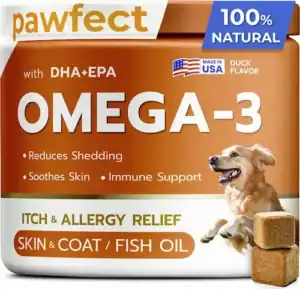
- Reduces itching and inflammation
- Supports skin and coat health
- Helps with environmental and food allergies
Best for: Dogs with itchy skin, redness, and chronic inflammation.
Check price & availability on Amazon →
Probiotics for Dogs with Allergies
Probiotics support gut health, which plays a major role in immune system regulation.
A balanced gut can significantly reduce allergy flare-ups and digestive sensitivity.
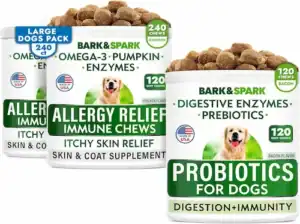
- Improves digestion and stool quality
- Supports immune balance
- Helpful for food-related allergies
Best for: Dogs with allergies and sensitive stomachs.
Check price & availability on Amazon →
For more digestive support strategies, explore our Dog Gut Health guide.
Quercetin for Dogs (Natural Allergy Support)
Quercetin is a natural plant compound often referred to as “nature’s Benadryl.”
It helps stabilize mast cells and reduce histamine release.
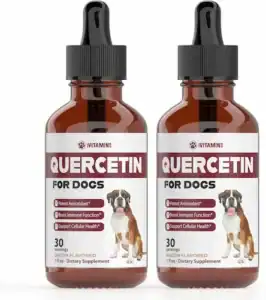
- Natural antihistamine effect
- Supports immune balance
- Often combined with bromelain
Best for: Seasonal and environmental allergies.
Check price & availability on Amazon →
Colostrum Supplements for Dogs
Colostrum supports immune modulation rather than suppression,
helping the body respond appropriately to allergens.

- Supports immune system balance
- Helps reduce chronic allergy symptoms
- Useful for severe or persistent allergies
Best for: Dogs with chronic or severe allergic reactions.
Check price & availability on Amazon →
Allergy Support Multivitamins for Dogs
Allergy-focused multivitamins combine omega fatty acids, vitamins,
and immune-supporting ingredients into one convenient supplement.

- Convenient all-in-one formula
- Supports skin, coat, and immunity
- Good for daily maintenance
Best for: Dogs needing broad allergy support.
Check price & availability on Amazon →
How to Choose the Best Supplements for Dogs with Allergies in 2026
Choosing the best supplements for dogs with allergies requires more than picking the most popular product. Quality, ingredient concentration, and formulation all matter.
When evaluating allergy supplements, consider the following:
1. EPA & DHA Content (Not Just “Fish Oil”)
Look for clearly labeled EPA and DHA amounts. These active omega-3 fatty acids provide the anti-inflammatory benefits, not just the total oil volume.
2. Probiotic Strain Diversity & CFU Count
Effective probiotics should list specific strains and colony-forming units (CFUs). Multi-strain formulas with clearly stated potency are generally more reliable.
3. Third-Party Testing
Reputable brands provide quality assurance through third-party testing or transparent manufacturing standards.
4. Weight-Based Dosing Guidelines
Supplements should include clear dosing instructions based on your dog’s weight to prevent underdosing or excessive intake.
5. Avoid Artificial Fillers
Avoid products containing artificial colors, unnecessary sweeteners, or low-quality fillers.
Consulting your veterinarian before introducing new supplements ensures compatibility with existing medications or health conditions.
When Supplements Are Not Enough
While supplements can significantly improve allergy symptoms, some dogs require additional medical intervention. Persistent ear infections, open skin lesions, severe gastrointestinal distress, or continuous scratching despite supplementation may indicate a deeper issue.
You can review additional clinical information about canine allergic dermatitis through the American Veterinary Medical Association (AVMA)
Veterinary evaluation is essential when:
-
Symptoms worsen instead of improve
-
Your dog develops secondary infections
-
There is sudden weight loss
-
Severe inflammation persists
Supplements work best as part of a comprehensive allergy management plan that may include dietary modification, environmental control, and prescription treatment when necessary.
How Long Do Supplements Take to Work?
When introducing the best supplements for dogs with allergies, results are rarely immediate. Unlike prescription medications that suppress symptoms quickly, nutritional supplements work by gradually regulating inflammation and immune responses.
In most cases:
-
Omega-3 fatty acids may show visible skin improvement within 3–6 weeks.
-
Probiotics may improve stool quality within 2–4 weeks.
-
Quercetin may provide mild relief during seasonal flare-ups within several days.
-
Colostrum often requires consistent use for 4–8 weeks to support immune modulation.
Consistency is critical. Skipping doses or switching products too frequently can reduce effectiveness.
Owners should monitor:
-
Itching intensity
-
Paw licking frequency
-
Ear irritation
-
Stool consistency
-
Coat shine
Keeping a simple weekly observation log can help track improvements objectively.
Common Mistakes When Using Allergy Supplements
Even high-quality supplements may fail to deliver results if used incorrectly. Understanding common mistakes can improve outcomes significantly.
1. Underdosing
Many owners give lower doses than recommended due to caution. While safety is important, underdosing often reduces effectiveness.
2. Expecting Immediate Results
Supplements support long-term immune balance rather than providing instant symptom suppression.
3. Ignoring Diet Quality
Supplements cannot fully compensate for poor-quality nutrition. If the underlying diet continues to trigger inflammation, results may be limited.
4. Overlapping Ingredients
Using multiple products with similar ingredients (for example, multiple omega sources) may create unnecessary overlap.
5. Not Consulting a Veterinarian
Dogs with severe allergies, open wounds, or chronic infections require medical evaluation alongside supplementation.
Using high-quality allergy support supplements as part of a structured plan — including diet management and environmental control — produces the most reliable long-term improvements.
Building a Complete Allergy Support Plan for Your Dog
Using targeted allergy supplements is most effective when combined with a structured long-term strategy. Supplements alone rarely resolve severe allergic reactions without addressing underlying triggers.
A complete allergy management plan should include:
1. Identifying the Trigger
Food proteins, environmental allergens, or flea sensitivity may require different management approaches. Proper identification helps prevent repeated flare-ups.
2. Supporting Gut Health
Because immune balance is closely linked to digestion, strengthening the microbiome can significantly reduce allergy severity. If digestive symptoms are present, explore strategies in our Dog Gut Health guide.
3. Adjusting Diet Quality
Switching to a limited-ingredient or hydrolyzed formula may reduce inflammatory responses in food-sensitive dogs. See our Best Dog Food for Allergies guide for recommended formulas.
4. Environmental Control
Regular grooming, washing bedding, and minimizing dust or pollen exposure can lower allergen load.
5. Veterinary Monitoring
Dogs with moderate to severe allergies benefit from professional oversight to prevent secondary infections or chronic inflammation.
When supplements are combined with diet, gut support, and environmental management, long-term improvements become far more consistent and sustainable.
Explore More About Dog Allergies
Understanding dog allergies requires identifying triggers, adjusting diet, and managing immune responses. These related guides explain common causes and treatment strategies.
- Signs of Food Allergies in Dogs
- Environmental Allergies in Dogs
- Elimination Diet for Dogs
- Best Dog Food for Allergies
For a complete overview of symptoms, triggers, and treatments, visit our Dog Allergies guide.
Frequently Asked Questions
How long do allergy supplements take to work?
Most dogs show improvement within 3–6 weeks of consistent use.
Can supplements replace allergy medication?
Supplements support long-term management but should not replace prescribed medication
without veterinary guidance.
Can dogs take multiple supplements?
Yes, but it’s best to introduce them gradually and avoid ingredient overlap.
Choosing the best supplements for dogs with allergies can significantly reduce itching, digestive issues, and chronic inflammation while improving your dog’s overall comfort and quality of life.
Are allergy supplements safe for long-term use?
Most high-quality supplements are safe when used according to dosing guidelines. However, veterinary supervision is recommended for dogs with chronic conditions.
What is the most effective supplement for dogs with severe allergies?
Omega-3 fatty acids combined with immune-supporting ingredients such as probiotics or colostrum often provide the most comprehensive support.
Still struggling with dog allergies?
Supplements work best as part of a complete plan. Visit our Dog Allergies hub to explore causes, symptoms, diet strategies, and long-term solutions. Choosing the best supplements for dogs with allergies requires consistency, quality ingredients, and a structured long-term strategy.