
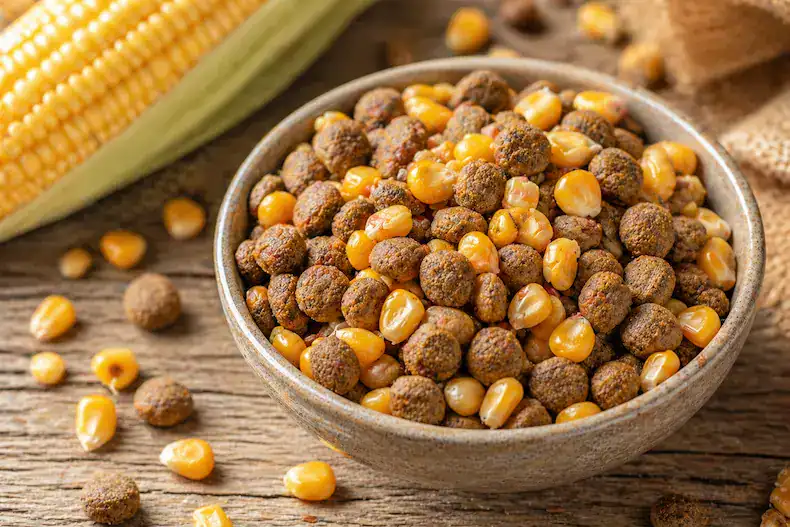
The Controversy: Why is Corn in Dog Food Often Debated?
Few ingredients in the pet food industry spark as much debate as Corn in dog food. Critics often label it as a “cheap filler,” but nutritionists view it differently. When processed correctly, corn is a highly digestible source of carbohydrates, protein, and essential fatty acids. Understanding the truth behind this ingredient is vital for making an informed choice for your dog.
Ingredient Snapshot
- Nutritional Value: Contains linoleic acid (essential for skin/coat health) and antioxidants.
- Energy: Provides sustained energy for active dogs.
- Digestibility: Highly digestible when ground and cooked (extruded).
- The Verdict: It is a valuable energy source, provided it is not the only protein source in the diet.
Debunking the “Filler” Myth
A “filler” is defined as an ingredient that provides no nutritional benefit. Corn does not meet this definition. It contains protein, vitamins, minerals, and linoleic acid (an omega-6 fatty acid) which helps maintain a healthy skin and coat. The confusion often stems from the raw state of corn; however, in pet food manufacturing, corn is ground and cooked, which significantly increases its bioavailability and digestibility for dogs. That is why Corn in dog food is often recognized as a valuable, rather than empty, ingredient by veterinary nutritionists.
Remember, corn is a source of carbohydrates, not a primary protein. For high-quality protein sources, you should always look for Meat Meal and By-products, which provide the essential amino acids your dog needs.
Comparing Carbohydrate Sources
While corn provides specific antioxidants, other grains like Rice in Dog Food offer different digestive profiles suitable for dogs with sensitive stomachs.
| Source | Primary Benefit | Digestibility |
|---|---|---|
| Corn | Linoleic acid, antioxidants | High (when processed) |
| Rice | Easy on stomach | Very High |
| Oats | Fiber, Vitamin B | Moderate |
Is Corn an Allergen?
Many owners avoid Corn in dog food because they fear allergies. However, veterinary research suggests that corn is a very uncommon allergen for dogs. True food allergies are most frequently triggered by proteins (like beef, chicken, or dairy). If your dog has a sensitive stomach, it is usually the protein source, not the corn, that warrants closer inspection.
How to Read Your Label Like a Pro
- Look for “Whole Corn” or “Corn Meal”: Quality matters more than the grain itself.
- Context Matters: Corn should be part of a recipe rich in animal proteins, not replacing them.
- Trust Scientific Sources: Organizations like Tufts University’s Pet Nutrition Service emphasize that grain-inclusive diets are generally safer for heart health in certain dog breeds.
Frequently Asked Questions
Q: Is corn dangerous for dogs?
A: No. Corn is safe, nutritious, and widely used in veterinary-formulated diets.
Q: Is grain-free always better?
A: Not necessarily. Unless your dog has a clinically diagnosed grain allergy, grains like corn provide essential energy and nutrients.
Q: Does corn cause obesity?
A: No. Obesity is caused by a calorie surplus. Whether the calories come from corn, rice, or meat, excess intake without exercise leads to weight gain.
Q: Why do some premium brands use corn?
A: They use it for its specific amino acid profile and antioxidant content, which complements their protein sources.
Related Ingredient Guides
Making an informed decision about Corn in dog food starts with understanding your dog’s unique health needs rather than following marketing trends.
Need to Check Your Dog’s Protein Intake?
Whether you choose corn or grain-free, the most important factor is the balance of your dog’s daily protein. Use our tool to calculate their needs.
Want to learn more about what goes into your dog’s bowl? Browse our complete Dog Food Ingredient Dictionary.