
**If you’re wondering how to stop dog itching fast, here’s what to do immediately:**
– Apply an anti-itch spray (fastest relief)
– Rinse paws after walks to remove allergens
– Give an oatmeal bath to soothe the skin
Most mild cases improve within a few hours with these steps, especially when dealing with allergies or dog itching but no fleas.

Fast treatment can help stop dog itching and calm irritated skin quickly.
Quick answer:
To stop dog itching fast, use antihistamines like Benadryl for immediate relief, apply a soothing dog allergy spray, and identify the underlying cause such as food or environmental allergies.
Combining fast-acting treatments with long-term solutions works best, especially if your dog keeps scratching or itching non stop.
If your dog keeps scratching, licking paws, or dealing with irritated skin, you’re not alone. Many dogs suffer from itching caused by allergies, dry skin, or environmental triggers.
Many owners notice dog itching but no fleas, which is usually a sign of allergies rather than parasites.
The key is acting quickly while also addressing the root cause. In this guide, we’ll break down exactly how to stop dog itching fast using proven methods that actually work.
What Causes Dog Itching?
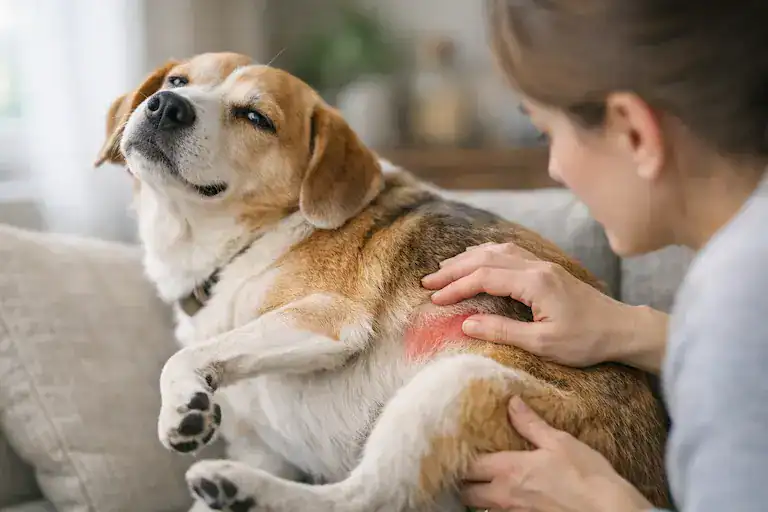
Dog itching can be caused by several factors, including allergies, parasites, and skin conditions.
- Food allergies (chicken, beef, grains)
- Environmental allergies (pollen, dust)
- Fleas or mites
- Dry skin
If you’re unsure, explore our guide on dog allergies to understand the most common triggers.
According to the American Veterinary Medical Association, identifying the underlying cause is essential for effectively treating itching in dogs.
7 Proven Ways to Stop Dog Itching Fast
To help you choose the fastest solution, here’s a quick comparison of the most effective methods.
Each method works differently depending on the cause of itching, so choosing the right one can make a big difference in how quickly your dog feels relief.
| Method | Speed | Best For |
|---|---|---|
| Antihistamines | Fast | Allergic reactions |
| Allergy Spray | Immediate | Hot spots & paws |
| Fish Oil | Slow | Chronic itching |
Fast relief for itchy dogs often starts with simple steps, especially when you’re trying to figure out how to stop dog itching fast at home.
1. Use an Antihistamine (Fast Relief)
Antihistamines like Benadryl (diphenhydramine) can help reduce itching quickly, especially for allergic reactions.
They work by blocking histamine, which is responsible for itching and inflammation.
Learn more in our guide to best antihistamines for dogs with allergies.
2. Apply a Dog Allergy Spray
The best dog allergy spray for itchy skin provides immediate relief by soothing irritated areas directly.
This is especially useful for hot spots, paw licking, and localized itching.
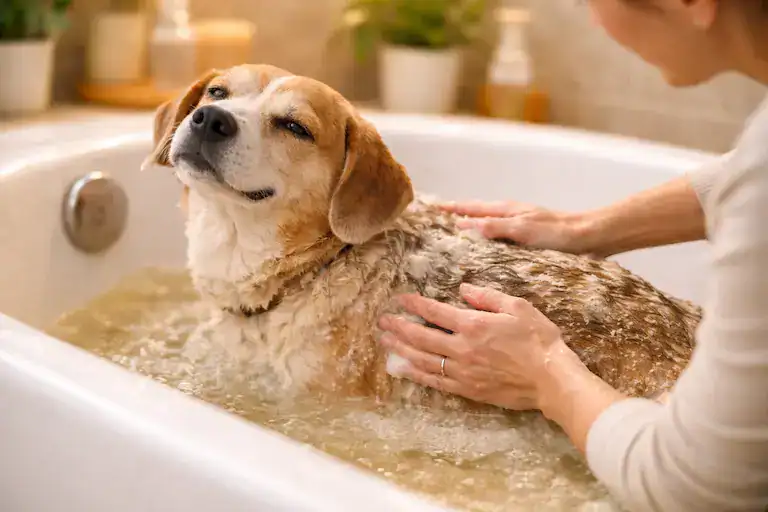
3. Give an Oatmeal Bath
Oatmeal has natural anti-inflammatory properties that help calm irritated skin.
Use lukewarm water and avoid over-bathing, as it can dry out the skin.
4. Use Omega-3 Supplements
Omega-3 fatty acids help reduce inflammation over time and improve skin health.
Check out the best fish oil for dogs with allergies for long-term support.
5. Try Probiotics for Gut Health
Many allergies are linked to gut health. Probiotics can improve immune balance and reduce itching.
Learn more about dog probiotics for allergies.
6. Identify and Remove Triggers
If itching keeps coming back, it’s important to identify the root cause.
This may involve diet changes or an elimination diet.
7. Use Anti-Itch Shampoos
Medicated or hypoallergenic shampoos can help reduce irritation and keep skin clean.
Explore best dog shampoos for allergies.
When to Use Fast Relief vs Long-Term Treatment
Understanding how to stop dog itching fast means knowing when to use quick solutions and when to focus on long-term treatment. Fast relief methods such as antihistamines and sprays are highly effective for sudden flare-ups and visible discomfort.
This is especially important if you’re trying to understand how to stop dog itching fast without relying only on medication.
These solutions work quickly because they target symptoms directly. For example, sprays calm the skin immediately, while antihistamines reduce allergic reactions within hours.
However, these methods do not eliminate the underlying cause of itching. If your dog continues to experience symptoms, it’s important to combine fast-acting treatments with long-term strategies.
This may include improving diet, using supplements, and reducing exposure to allergens. Many dogs benefit from a combined approach that addresses both symptoms and root causes.
Dog Itching But No Fleas (What It Means)
If you notice dog itching but no fleas, allergies are the most common cause. This includes environmental triggers like pollen, dust, or food sensitivities.
In these cases, using fast relief methods while identifying the trigger is the best approach.
Dog Scratching Non Stop: How to Stop It Fast
If your dog is scratching non stop, it usually means the irritation is ongoing and needs immediate attention.
Start with fast relief options like sprays or baths, then focus on identifying the underlying cause.
Best Daily Routine to Prevent Itching
Creating a daily routine can significantly reduce itching episodes. Consistency is key when managing skin health and allergies.
Some dogs experience itching more at night, especially if allergens build up during the day.
Start by cleaning your dog’s paws after walks to remove pollen and dust. This simple step can prevent many allergic reactions.
Regular grooming also helps remove irritants from the coat and skin. Use gentle, hypoallergenic products to avoid further irritation.
Adding supplements such as omega-3 fatty acids supports skin health over time, while probiotics help balance the immune system.
If your dog has recurring symptoms, consider combining multiple strategies such as sprays, diet changes, and supplements for best results.
Side Effects to Watch For
While most treatments are safe, some dogs may experience side effects.
- Drowsiness (from antihistamines)
- Skin irritation (from topical products)
- Digestive upset (from supplements)
If symptoms worsen, consult your veterinarian.
When to See a Vet
If your dog’s itching is severe, persistent, or accompanied by hair loss or wounds, professional care is necessary.
Your vet may recommend prescription treatments such as Apoquel or Cytopoint.
How to Stop Dog Itching Fast at Home (Step-by-Step)
If you’re looking for ways to stop your dog’s itching quickly at home, there are several simple but effective strategies you can use immediately.
Use a Soothing Spray or Natural Remedy
One of the easiest solutions is applying a soothing spray or natural remedy directly to irritated areas. This provides fast relief and helps calm the skin.
Apply a Cool Compress
Another effective method is using a cool compress. Applying a damp cloth to itchy areas can reduce inflammation and provide quick comfort.
Try Coconut Oil for Dry Skin
You can also try coconut oil in small amounts, as it has natural antibacterial and moisturizing properties that may help relieve dry or irritated skin.
Combine with Long-Term Solutions
While these methods can help relieve itching quickly in the short term, they should be combined with proper diagnosis for long-term results.
Food vs Environmental Allergies
Understanding the cause of itching is essential when deciding how to treat your dog’s itching effectively.
Food allergies are typically caused by proteins such as chicken, beef, or grains. These reactions often result in chronic itching, ear infections, and digestive issues.
Environmental allergies, on the other hand, are triggered by pollen, dust mites, and mold. These tend to be seasonal and may worsen at certain times of the year.
If you’re unsure which type your dog has, check out our detailed guide on
food vs environmental allergies.
Knowing the difference helps you choose the right approach to relieve itching quickly.
When Itching Becomes Serious
Sometimes itching is more than just a minor irritation. In some cases, it may indicate a more serious underlying condition.
If your dog is scratching excessively, losing fur, or developing open sores, it’s important to act quickly.
While many pet owners try to stop the itching quickly using home remedies, persistent symptoms often require professional diagnosis.
In these cases, your veterinarian may recommend prescription medications or allergy testing.
Early intervention can prevent complications and improve your dog’s overall quality of life.
Common Mistakes When Treating Dog Itching
Even when trying to relieve itching quickly, many pet owners make mistakes that reduce effectiveness.
One of the most common mistakes is focusing only on symptoms instead of the root cause. While sprays and medications provide quick relief, they do not solve the underlying issue.
Another mistake is inconsistent treatment. Skipping applications or changing products too frequently can prevent progress.
Using low-quality products is also a problem. Always choose proven solutions with effective ingredients.
By avoiding these mistakes, you can significantly improve results and successfully manage and reduce itching.
Frequently Asked Questions
What stops dog itching immediately?
Antihistamines and allergy sprays provide the fastest relief.
Can I give my dog Benadryl?
Yes, but always confirm dosage with your vet.
Why is my dog itching so much?
Most often due to allergies, fleas, or dry skin.
Do home remedies work?
Some, like oatmeal baths, can help mild cases.
What is the best long-term solution?
Identifying the cause and combining treatments.

How to Prevent Dog Itching in the Future
Once you understand how to relieve your dog’s itching quickly, the next step is preventing it from coming back. Many dogs experience recurring symptoms, especially if the underlying cause is not addressed.
Build a Consistent Care Routine
One of the most effective strategies is maintaining a consistent care routine. This includes regular grooming, proper nutrition, and minimizing exposure to allergens.
Reduce Environmental Triggers
Cleaning your dog’s paws after walks can help remove pollen, dust, and other environmental triggers. This simple habit can significantly reduce itching over time.
Improve Diet and Nutrition
Diet also plays a key role. Feeding high-quality food and avoiding common allergens can improve skin health and reduce flare-ups.
Food plays a major role in skin health, and overfeeding can worsen inflammation. Use our dog food calculator to estimate the right daily portion for your dog.
Support Skin and Immunity
In addition, supplements such as omega-3 fatty acids and probiotics can support the immune system and reduce inflammation long-term.
By combining prevention with the right treatments, you can not only stop the itching quickly but also keep your dog comfortable and itch-free in the future.
Conclusion
Understanding how to stop dog itching fast starts with quick relief methods like sprays and antihistamines, combined with long-term solutions that address the root cause.
With the right approach, you can significantly improve your dog’s comfort and overall health.
If you’re still unsure what works best, start with simple relief methods and adjust based on your dog’s response.